
Categories
Boating, Places, Places to VisitPublished May 21, 2026
Navigating from Tampa Bay to Boca Grande with a 4–7 Foot Draft

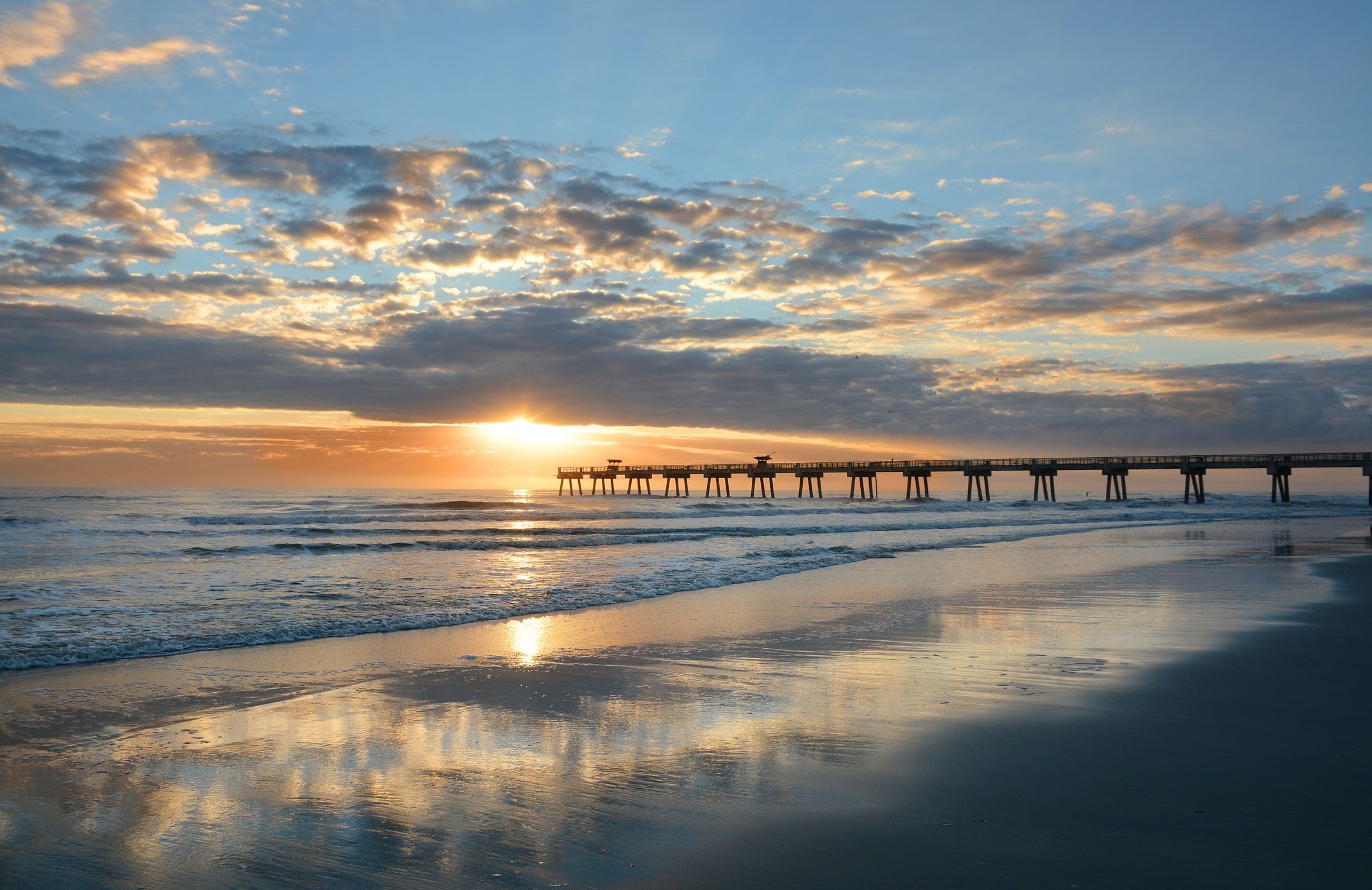
Florida’s Gulf Coast is a dream for boaters, wide bays, barrier islands, waterfront restaurants, fishing grounds, sunsets that show off shamelessly, and some of the best cruising waters in the state.
But if you own a larger boat with a 4-to-7-foot draft, the conversation changes.
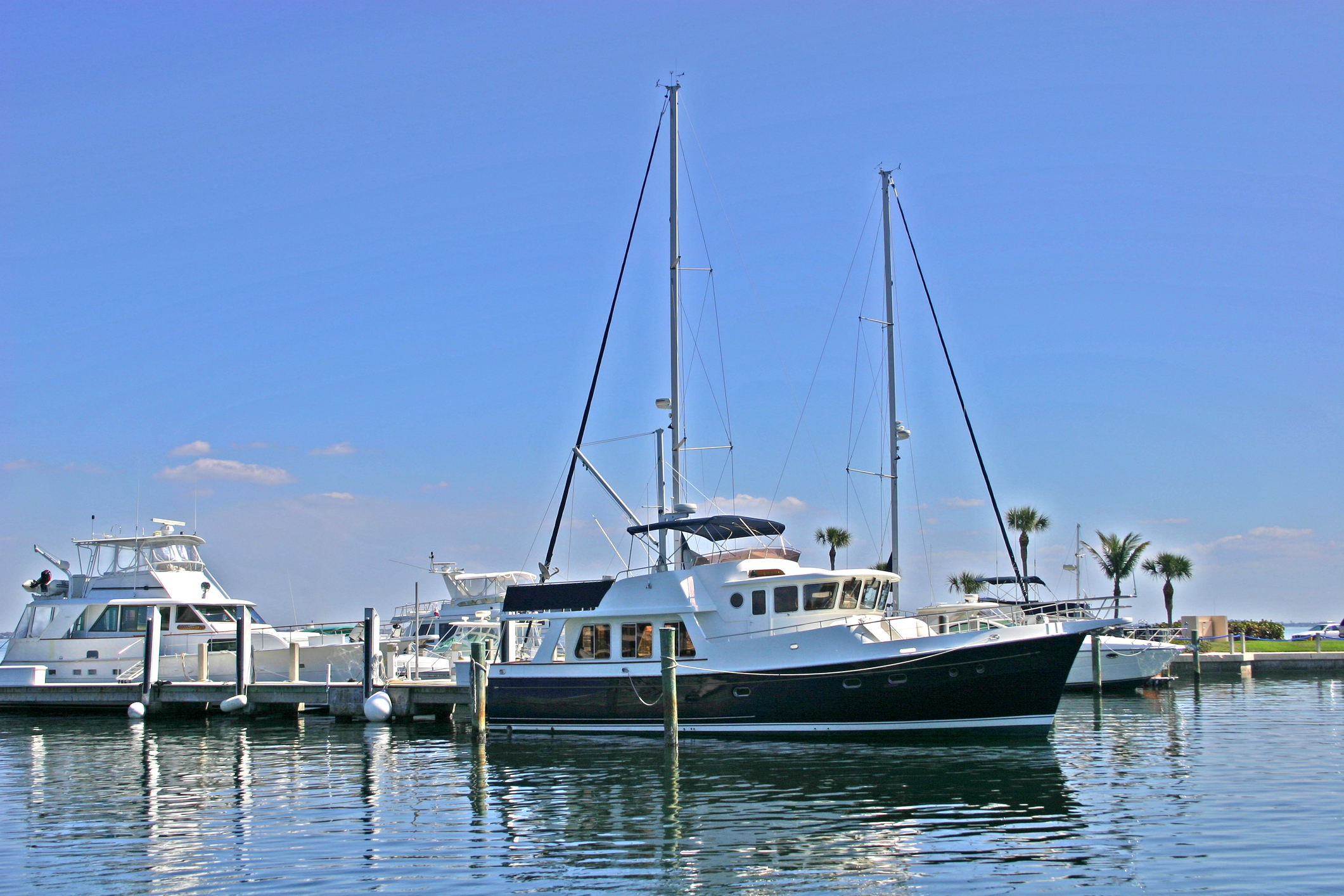
This is not the same as hopping around in a center console or pontoon boat. Big boats need deeper water, wider channels, reliable dockage, fuel access, bridge clearance, and marina staff who understand what it means to handle a serious vessel. Along the route from Tampa Bay to Boca Grande, boaters can absolutely enjoy an incredible coastal lifestyle, but they need to know where they fit, where they do not, and where local knowledge matters.
This is where boating and real estate overlap in a very real way. For many luxury waterfront buyers, the home is only part of the equation. The real question is:
“Where can I keep the boat, and can I actually get it out to open water?”
That question matters.
Big Boat Boating Is a Different Lifestyle
A 4-foot draft gives a boater more flexibility. A 5-to-6-foot draft starts narrowing the options. A 7-foot draft requires much more planning, especially along the Intracoastal Waterway, near shifting passes, and at private docks behind homes.
The larger the boat, the more important these details become:
- Draft: How much water the boat needs beneath it
- Beam: How wide the boat is
- LOA: Length overall, including platforms and pulpits
- Bridge clearance: Especially important for sailboats, towers, and larger sportfish boats
- Turning room: A long boat in a tight canal is not fun - for anyone
- Fuel access: Diesel availability matters
- Protection: Storm-protected basins are valuable
- Maintenance access: Big boats need service, not just pretty dock photos
For real estate buyers, this means a “waterfront home” is not automatically a “big boat home.” That is the expensive little detail nobody wants to discover after closing.
The Route: Tampa Bay to Boca Grande
The stretch from Tampa Bay south to Boca Grande includes several key boating areas: Tampa Bay, St. Petersburg, Anna Maria Island, Longboat Key, Sarasota Bay, Venice, Lemon Bay, Placida, Gasparilla Sound, Boca Grande Pass, and Charlotte Harbor.
Boaters generally move through a combination of Tampa Bay, the Gulf Intracoastal Waterway, bays, passes, and open Gulf routes. NOAA’s Coast Pilot notes that the barrier island coast in this region includes shallow bays and lagoons with Gulf access through passes such as Longboat Pass, New Pass, Big Sarasota Pass, Venice Inlet, Stump Pass, and Gasparilla Pass. It also cautions that many of these passes are subject to change and that aids to navigation may be shifted.
That is the key point: this is beautiful water, but it is not “set it and forget it” boating.
Depths can change. Sand moves. Markers move. Storms alter bottoms. Local knowledge is not optional; it is part of the lifestyle.
Best Marina Areas for Larger Boats
For big boat owners, marinas become more than convenience. They become infrastructure.
Tampa Bay and Palmetto
The Tampa Bay area generally offers more deep-water options than many of the smaller barrier-island communities farther south. One strong option on the south side of the bay is Safe Harbor Regatta Pointe in Palmetto.
Safe Harbor Regatta Pointe lists wet slips and transient slips for vessels from 18 to 100 feet, with unrestricted height, a 30-foot max beam, and a maximum draft of 8 feet. That makes it one of the more big-boat-friendly facilities in the Tampa Bay-to-Sarasota corridor.
For owners with 6-to-7-foot drafts, this type of marina is the difference between “possible” and “practical.”
Longboat Key
Longboat Key is one of the most attractive boating locations on the Gulf Coast because it offers resort-style living, access to Sarasota Bay, nearby Gulf passes, and a polished waterfront lifestyle.
The Longboat Key Club Moorings is described as a full-service, deep-water marina with 291 slips and accommodations for vessels up to 150 feet. Waterway Guide also lists the marina with an 8-foot approach depth and 20-foot dockside depth, though boaters should always confirm current conditions directly with the dockmaster.
For larger boats, Longboat Key is one of the strongest lifestyle locations in the region. It gives boaters access to Sarasota, the Gulf, resort amenities, dining, beaches, and a true coastal luxury feel.
Downtown Sarasota
Sarasota is a favorite stop because it combines boating with restaurants, arts, shopping, events, and walkable downtown energy. For bigger boats, Marina Jack is the central name.
Marina Jack states that its facility has 298 wet slips for vessels up to 150 feet, more than 25 boat lifts, and over 85 mooring balls for traveling sailors. Dockwa’s listing for Marina Jack describes it as having wet slips for vessels up to 185 feet, with fuel, in-slip pump-out, yacht services, restaurants, and walkability to downtown Sarasota.
Sarasota Bay is beautiful, but owners of deeper-draft boats need to be thoughtful about access points. New Pass, Big Sarasota Pass, and nearby channels can require close attention. Marinas.com describes New Pass as having a channel generally in the four-to-seven-foot range, but also notes that it constantly shifts. Big Sarasota Pass is even more sensitive; Marinas.com notes that the outer entrance is unmarked and that aids, when present, may be moved and uncharted.
Translation: Sarasota is absolutely big-boat friendly in the right places, but this is not where you freestyle with a deep draft and hope the sandbar is feeling generous.
Venice and Lemon Bay
Venice is a wonderful boating community, but for larger vessels, it becomes more selective. Venice Inlet provides Gulf access, and the Intracoastal Waterway continues south through a scenic but more depth-sensitive stretch toward Lemon Bay and Charlotte Harbor.
For buyers looking at waterfront homes in Venice, Nokomis, Englewood, or Manasota Key, the question is not simply, “Is it on water?” The better questions are:
- Is the water deep enough at mean low tide?
- Are there fixed bridges between the home and the Gulf?
- How wide is the canal?
- Is there enough turning basin?
- Can the seawall support the intended vessel?
- Are there restrictions on boat length or lifts?
- Is the route reliable after storms or shoaling?
For boats drawing 4 feet, there may be more options. At 5-to-6 feet, buyers need to be careful. At 7 feet, many residential canals and smaller marina settings may no longer be realistic.
Boca Grande, Gasparilla Sound, and Charlotte Harbor
Boca Grande is iconic. It is known for tarpon fishing, classic Old Florida charm, Gasparilla Island elegance, and proximity to Boca Grande Pass. For many serious boaters, this area is one of the great prizes of Florida’s west coast.
But once again, draft matters.
NOAA’s Coast Pilot notes that Boca Grande Bayou can be entered from the waterway and that its channel had a reported controlling depth of 6 feet in 1982; because that figure is old, it should be treated as historical context, not a promise of current clearance.
Farther inland, Fishermen’s Village Marina in Punta Gorda states that it can accommodate power and sailing vessels up to 120 feet LOA and 6-foot draft, though the same page currently notes marina slip rentals are not yet available while repairs from hurricane damage continue. Another Fishermen’s Village harbor-master page describes accommodations up to 60 feet LOA and 7-foot draft, so boaters should call the harbor master directly for current availability and vessel-specific guidance.
For larger boats, Charlotte Harbor can be fantastic, but it rewards planning. This area has room, beauty, fishing, cruising, and access to the Gulf — but the best dockage and home options need to be matched carefully to the boat.
Where Do Big Boats Stay?
For boats with a 4-to-7-foot draft, the most realistic options are usually:
1. Full-Service Deep-Water Marinas
These are often the safest and most practical choices for larger boats, especially over 50 feet. They typically offer better depth, fuel, power, pump-out, security, dockhands, and maintenance access.
Strong examples along this region include:
| Area | Marina | Why It Matters for Larger Boats |
|---|---|---|
| Palmetto / Tampa Bay | Safe Harbor Regatta Pointe | Allows up to 8-foot draft and 100-foot transient vessels |
| Longboat Key | Longboat Key Club Moorings | Deep-water resort marina, up to 150-foot vessels |
| Sarasota | Marina Jack | Downtown Sarasota location, large-slip capacity, fuel and services |
| Punta Gorda / Charlotte Harbor | Fishermen’s Village Marina | Protected marina setting, but availability and current conditions must be confirmed |
2. Select Private Waterfront Homes
Some waterfront homes can handle larger boats, but many cannot. This is where real estate marketing can get a little too enthusiastic. “Boater’s dream” sometimes means “kayak looks great at sunset.”
For a serious vessel, buyers need to verify:
- Water depth at the dock
- Depth along the full route to open water
- Bridge height and number of bridges
- Dock and lift capacity
- Canal width
- Turning radius
- Seawall condition
- Local restrictions
- Insurance and permitting issues
A home may have a dock, but not a dock suitable for a 55-foot yacht or deep-draft sailboat.
3. Yacht Clubs and Private Clubs
Some yacht clubs and private marina communities may offer suitable dockage, but access can depend on membership, availability, slip ownership, waitlists, and vessel size.
For luxury buyers, this can be a major part of the decision. Sometimes the right answer is not buying the deepest-water home. It may be buying the right home near the right marina.
The Limitations of a 4-to-7-Foot Draft
A deeper-draft vessel can enjoy this coast, but limitations are real.
Shallow Water Is Common
Much of Florida’s Gulf Coast is shallow, especially around bays, grass flats, residential canals, and shifting passes. A 4-foot draft is manageable in many areas with care. A 6-foot draft is more selective. A 7-foot draft can be limiting outside of larger channels, deeper marinas, and carefully planned routes.
Passes Can Shift
NOAA specifically cautions that many Gulf Coast passes in this area are subject to change and that navigation aids may be shifted. This matters because the pass that worked last season may not be the same after storms, dredging, or shoaling.
Tides Matter
A few feet of draft can make tide timing important. A route that is comfortable at high tide may be uncomfortable at low tide. For bigger boats, the margin for error gets smaller.
Private Docks Are Not All Equal
Some waterfront properties look perfect in photos but are not practical for a large boat. The MLS may say “dock,” but the water may say, “Nice try.”
Insurance and Storm Planning Matter
Large boat ownership in Florida also requires storm planning. Owners need to know where the boat can be secured, whether the marina has hurricane policies, and how quickly the vessel can be moved if needed.
What This Means for Waterfront Real Estate Buyers
For boaters, buying waterfront property from Tampa to Boca Grande requires a different level of due diligence.
The home, view, pool, outdoor kitchen, and finishes all matter. But for a serious boater, the water is the real amenity.
Before buying, a big-boat owner should confirm:
- Actual water depth at the dock
- Route depth from dock to open water
- Bridge clearance
- Dock size and structural condition
- Lift capacity, if applicable
- Seawall age and condition
- Canal width and turning ability
- Marina alternatives nearby
- Fuel access
- Local dredging or shoaling issues
- Any HOA or city restrictions on vessel size
This is especially important in areas like Venice, Nokomis, Englewood, Placida, Boca Grande, and parts of Sarasota where two homes may both be waterfront, but only one may truly work for the boat.
The Real Luxury: Easy Water Access
For many coastal buyers, luxury is not just marble counters and a three-car garage. It is the ability to wake up, step outside, and know the boat is ready.
It is deep water.
It is no fixed bridges.
It is a protected basin.
It is a dock that fits the vessel.
It is knowing you can reach the Gulf without white-knuckling the channel.
That is real coastal luxury.
And along the stretch from Tampa Bay to Boca Grande, the lifestyle is exceptional when the property and boat are properly matched.
Final Thought
Boating from Tampa to Boca Grande with a larger vessel is absolutely possible, but it is not casual. A boat with a 4-to-7-foot draft needs planning, local knowledge, and the right marina or waterfront property.
The best boating lifestyle comes from matching the boat, the water, and the home - not just falling in love with a sunset view.
At Seaside Living Group, we understand that coastal real estate is more than a house near water. It is about how you want to live on the water. Whether that means a luxury home near a deep-water marina, a private dock with Gulf access, or a community that supports your boating lifestyle, the details matter.
Because when the boat is big, the water has to be right.
Seaside Living Group
Coastal Living Reimagined
seasidelivingfl.com
Compliance / Safety Note
This article is for general educational and lifestyle purposes only. Boaters should consult current NOAA charts, Local Notice to Mariners, marina dockmasters, tide tables, and qualified local captains before navigating any pass, inlet, channel, or private dock approach. Depths and conditions can change.

Colleen Waldoch
| Seaside Living Group | Colleen Waldoch | Compass
or another way